












Legacy, meet innovation

When you’re looking for ABA therapy, you shouldn’t have to choose between clinical excellence and caring support. At Kennedy ABA, we blend the gold-standard methods that get real results with the warmth and dedication your family deserves. We’re not just treating behaviors — we’re supporting your whole family on this journey.

Backed by science

Our research activities not only seek to improve existing systems to keep them competitive.

Led by experts

With over a decade of experience, our clinical director brings years of specialized training and real-world experience to your child's care.

Focused on your child's success

Our personalized programs are designed with your input — shaped around your child's unique strengths, challenges, and specific goals.

Our Mission

“We believe every child has the potential to thrive. We’ll do everything in our power to bring out their potential.”

meet our team

Introducing the team that powers our journey

Consulting Director, Kennedy ABA
Read full bio
Board Certified Assistant Behavior Analyst (BCaBA)
Read full bio
Board Certified Behavior Analyst (BCBA)
Read full bio
Consulting Director, Kennedy ABA
Read full bio
Board Certified Assistant Behavior Analyst (BCaBA)
Read full bio
Board Certified Behavior Analyst (BCBA)
Read full bio
Board Certified Behavior Analyst | Licensed Behavior Analyst
Read full bio
Lead Registered Behavior Technician (RBT)
Read full bio
Lead Registered Behavior Technician (RBT)
Read full bio
Lead Registered Behavior Technician (RBT)
Read full bio

History of ABA

Analysing behavior, improving lives For over a century

Birth of behaviorism 1913 – 1940s

Psychology once relied on people describing their thoughts, which was hard to measure. Behaviorism shifted the focus to observable actions. Thinkers like Watson, Pavlov, and Skinner showed that behavior could be studied — and shaped — through reinforcement.
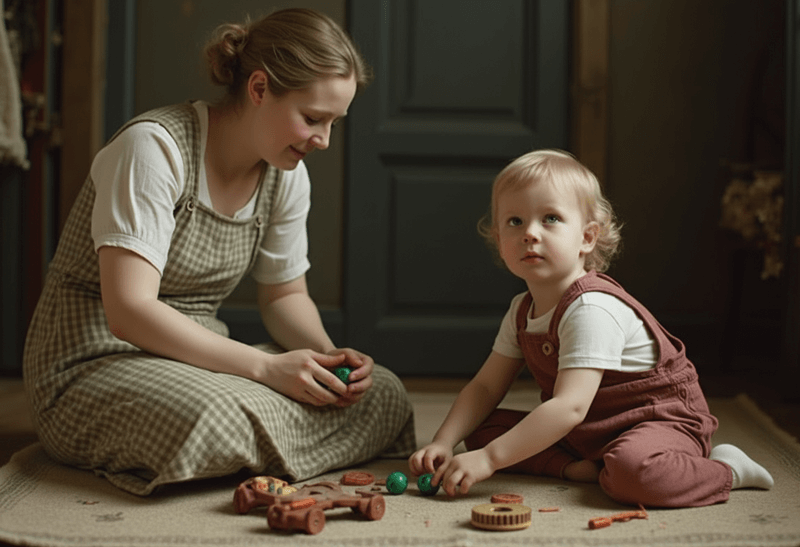
First steps into practice 1950s – 1970s

Baer, Wolf, and Risley introduced the term “Applied Behavior Analysis.” Early programs, like Dr. Lovaas’s, proved children with autism could learn new skills through structured teaching, though methods were often rigid and relied on both reward and punishment.

Making way for new approaches 1980s – 2000

As views of autism evolved, ABA moved away from rigid, compliance-based models toward positive reinforcement and respect for each child. In 1998, the Behavior Analyst Certification Board (BACB) was created to ensure ethical, high-quality practice.

Evolving with our understanding 2000 – present

Modern ABA emphasizes natural, play-based strategies like NET. Backed by research and endorsed by major health bodies, it’s now more accessible through insurance. Today, the ABA you’ll find at Kennedy is positive, personalized, and focused on helping every child thrive in their own way.


Explore how ABA can help your child.

1 in 36

Children in the U.S. are diagnosed with ASD

85%

Of parents report satisfaction with ABA therapy outcomes

2:1

Staff to child ratio in ABA