
Key Highlights
- Potty training for children with autism can take longer due to sensory, communication, and routine differences.
- Visual supports, consistent routines, and positive reinforcement improve success rates.
- Break training into small, achievable steps to reduce frustration.
- Address sensory sensitivities that may interfere with bathroom use.
- Collaboration with ABA therapists or specialists can provide individualized strategies.
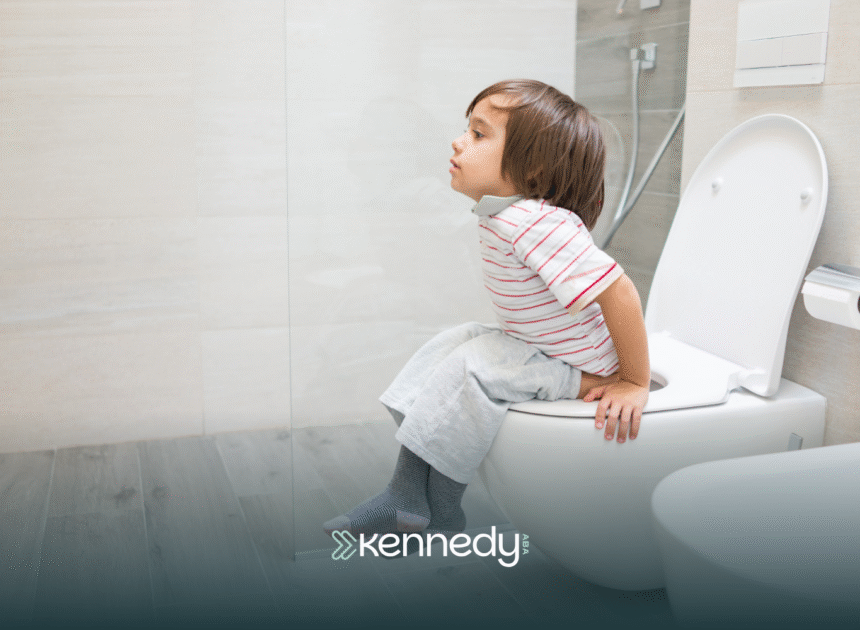
Potty training is a major milestone for every child, but it can be particularly challenging for children with autism. Differences in communication, sensory sensitivities, and routine preferences can make toilet training more complex. Understanding these challenges and using targeted strategies can make the process smoother and more successful.
Understanding Autism Potty Training Challenges
Children with autism may face unique barriers to potty training, including:
- Sensory sensitivities: Some children may dislike the feel of toilet paper, the sensation of sitting on the toilet, or the sound of flushing.
- Communication difficulties: Children who are nonverbal or have limited speech may struggle to indicate their need to use the toilet.
- Rigid routines: Many children with autism thrive on predictable routines and may resist changes to their established habits.
- Delayed awareness of bodily signals: Some children may not notice or respond to feelings of bladder or bowel fullness.
Recognizing these challenges is the first step in creating a supportive and effective potty training plan.
Preparing for Potty Training
Preparation is crucial for setting up a child with autism for success. Here’s how to start:
- Choose the right equipment: A child-sized toilet seat or potty chair can help make the experience more comfortable. Some children prefer a step stool for support.
- Create a visual schedule: Visual aids, such as pictures or charts, help children understand the sequence of steps for using the toilet.
- Introduce the concept gradually: Start by letting your child explore the bathroom, flush the toilet, or sit on the potty fully clothed to familiarize them with the space.
- Use preferred items: Incorporate favorite toys or books to make bathroom time more appealing.
Step-by-Step Potty Training Strategies
Breaking toilet training into smaller, achievable steps is essential for children with autism. A structured approach can reduce anxiety and improve consistency.
| Step | Action | Tips |
|---|---|---|
| 1 | Observe readiness | Watch for signs like staying dry for 2 hours, showing interest in the bathroom, or understanding simple instructions. |
| 2 | Introduce the potty | Encourage sitting fully clothed first, then gradually without clothes. |
| 3 | Establish a routine | Schedule regular bathroom visits, e.g., after meals, before bed, or every 2 hours. |
| 4 | Use visual supports | Picture schedules or social stories guide children through each step. |
| 5 | Practice communication | Teach words, signs, or picture cards to indicate when they need to use the toilet. |
| 6 | Reinforce success | Praise or small rewards for each successful attempt. |
| 7 | Address accidents calmly | Avoid punishment; treat accidents as learning opportunities. |
| 8 | Gradually transition | Move from diapers to underwear once consistency improves. |
Sensory Considerations
Sensory issues can make potty training more difficult for children with autism. Here are ways to address them:
- Texture: Use soft toilet paper or training pants that feel comfortable.
- Noise: Some children are scared of the flushing sound. Consider flushing when the child is out of the bathroom or using a visual cue to signal a flush.
- Temperature: Cold toilet seats can be uncomfortable. Try a padded or cushioned seat.
Positive Reinforcement Techniques
ABA (Applied Behavior Analysis) strategies emphasize positive reinforcement to encourage desired behaviors. For potty training:
- Use small, immediate rewards for each successful toilet visit.
- Create a sticker or token chart to track progress.
- Praise effort, not just success, to keep motivation high.
- Avoid punishment, which can increase anxiety and resistance.
Managing Accidents
Accidents are expected, especially for children with autism. Strategies to handle them:
- Stay calm and neutral when accidents occur.
- Guide the child through cleaning up to encourage responsibility.
- Review the visual schedule and remind them of the steps for the next attempt.
- Track patterns to identify times or situations when accidents are more likely.
Tips for Consistency at Home and School
Consistency across environments is key to success:
- Communicate with teachers and caregivers about routines and strategies.
- Use the same visual aids and rewards system in all settings.
- Encourage practice during transitions, outings, and unfamiliar locations.
- Adjust expectations gradually; progress may be slower but steady.
When to Seek Professional Support
Some children may need extra help beyond home strategies:
- If the child shows extreme fear, anxiety, or resistance to using the toilet.
- If progress stalls for months despite consistent efforts.
- For children with complex sensory or medical needs affecting toilet use.
ABA therapists, occupational therapists, or pediatricians can provide individualized guidance and support tailored to each child’s needs.
Final Thoughts
Potty training a child with autism requires patience, structure, and individualized strategies. By understanding sensory needs, using visual supports, and employing positive reinforcement, parents and caregivers can make the process manageable and successful. For families seeking guidance, ABA therapy professionals offer tailored support to create a consistent, step-by-step plan that works for each child. At Kennedy ABA, our team provides expert assistance to help children reach important milestones like toilet independence. Contact us today!
FAQs About Autism Potty Training
1. At what age should I start potty training my child with autism?
Children with autism may start later than neurotypical peers. Look for readiness signs rather than a specific age. Many children start between 2–4 years old.
2. How long does potty training usually take?
The timeline varies widely. Some children achieve independence in weeks, while others may take months or longer. Patience and consistency are essential.
3. What if my child refuses to use the toilet?
Try gradual exposure, visual supports, and positive reinforcement. Avoid forcing the child, and consult a professional if progress stalls.
4. Are pull-ups helpful?
Pull-ups can be a transitional tool, but may prolong reliance if used too long. Gradually introduce underwear once consistent success is achieved.
5. Can sensory sensitivities prevent potty training success?
Yes. Addressing texture, noise, and other sensory sensitivities is crucial for helping children feel comfortable and motivated to use the toilet.
Sources:
- https://www.autismspeaks.org/expert-opinion/seven-toilet-training-tips-help-nonverbal-kids-autism
- https://www.autism.org.uk/advice-and-guidance/topics/about-autism/sensory-processing
- http://www.steadystridesaba.com/blog/the-importance-of-routine-in-autism
- https://www.autismparentingmagazine.com/creating-visual-schedules/
- https://www.autismspeaks.org/tool-kit-excerpt/helpful-strategies-promote-positive-behavior