

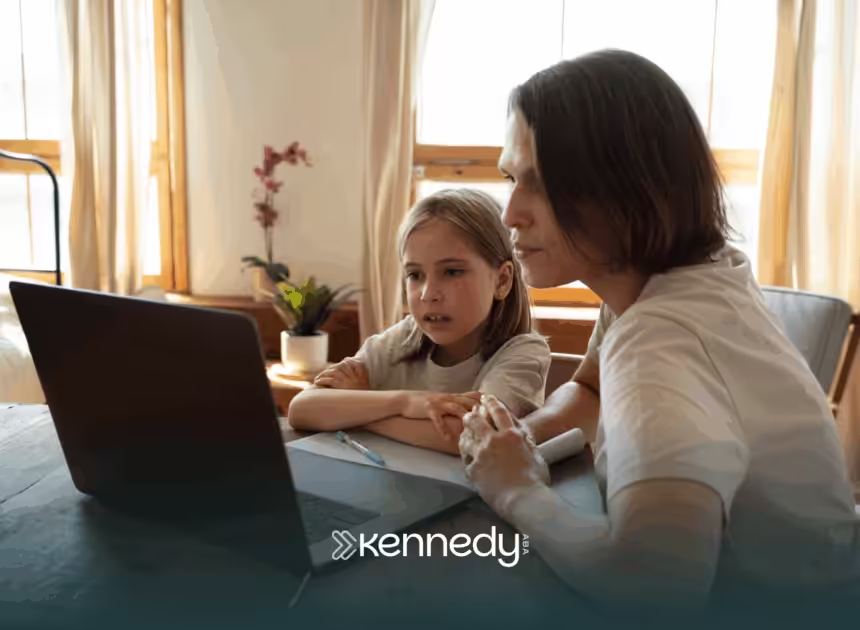
Yes, in-home ABA therapy can be highly effective for children with autism. Providing therapy in a familiar environment allows children to feel more comfortable, reduces distractions, and makes learning practical daily skills easier.
Benefits of In-Home ABA:
- Comfortable Environment: Children are more relaxed in their own home, improving focus and participation.
- Real-Life Skill Practice: Daily routines like mealtime, dressing, or chores become learning opportunities.
- Parent Involvement: Parents can learn strategies to support skills and reinforce behavior consistently.
- Individualized Attention: Therapists can tailor sessions to the child’s specific needs without external disruptions.
In-home ABA is particularly effective for improving communication, social skills, adaptive behaviors, and reducing challenging behaviors. Consistency and structure in the home environment often lead to faster skill acquisition.
Families seeking personalized, home-based ABA solutions can work with Kennedy ABA for expert guidance and support.
Frequently Asked Questions
1. How often should in-home ABA sessions be scheduled?
Frequency varies, but 10–20 hours per week is common for meaningful progress.
2. Can in-home ABA help with behavior issues?
Yes, therapists use strategies to reduce tantrums, aggression, or self-injury.
3. Is parent participation required?
Yes, active parent involvement helps reinforce skills outside therapy sessions.
Sources:
- https://www.autismspeaks.org/applied-behavior-analysis
- https://my.clevelandclinic.org/health/treatments/25197-applied-behavior-analysis