


Key Highlights:
- Sensory processing disorder in autism refers to the brain having trouble filtering and organizing sights, sounds, touch, and other sensations, leading to overload or constant seeking.
- Kids may melt down in noisy stores, avoid clothing, or crave movement.
- ABA therapy helps by identifying sensory triggers, teaching coping skills, and building safer replacement behaviors.
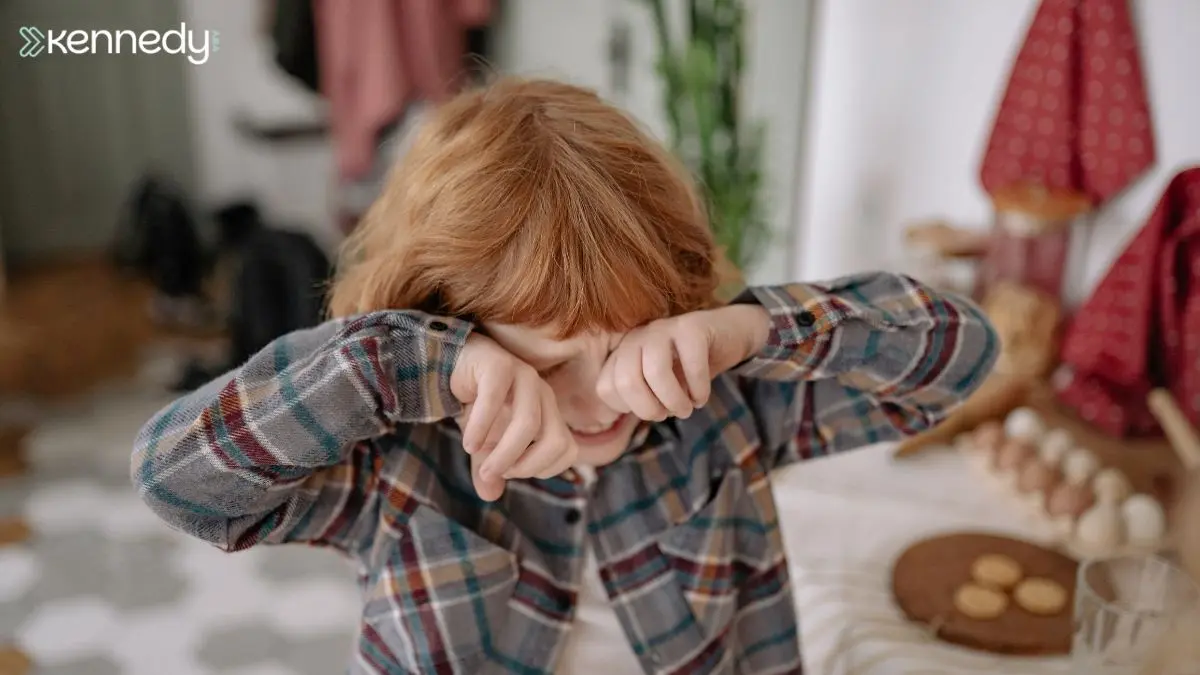
A crowded grocery store. Fluorescent lights. A loudspeaker announcement. Your child covers their ears, drops to the floor, and you feel every eye on you. At home, socks feel “spiky,” toothbrushing leads to tears, and school pickup ends in a meltdown that seems to come out of nowhere.
For many children with autism, these moments reflect sensory processing challenges instead of “bad behavior,” and school and home-based ABA support can help. Sensory processing disorder in autism overlap is common, and once you see that connection, your response starts to change.
What Is Sensory Processing Disorder?
Sensory processing disorder (SPD) describes a pattern where the brain has trouble organizing and responding to information from the senses. Instead of filtering input smoothly, the nervous system may overreact, underreact, or respond in an inconsistent way.
SPD is not a stand-alone diagnosis in the DSM-5. Sensory differences are built into the diagnostic criteria for autism and other neurodevelopmental conditions, which can be confusing. Sensory processing disorder in autism overlap is common, but SPD can also appear without any other diagnosis.
Studies estimate that roughly 5-16 percent of children show sensory processing difficulties that affect daily life. Many of these children are school-aged and struggle most in busy, demanding environments.
Sensory processing looks at more than five senses. Therapists often talk about eight:
- Touch (tactile): Response to texture, temperature, pressure, pain.
- Sound (auditory): Response to volume, pitch, background noise.
- Sight (visual): Response to lighting, movement, visual clutter.
- Taste and smell: Response to flavors and scents.
- Vestibular: Sense of movement and balance.
- Proprioceptive: Awareness of body position.
- Interoceptive: Internal signals like hunger, thirst, or bathroom needs.
Sensory integration in autism involves examining how these systems combine and how they affect behavior, learning, and relationships.
How Sensory Processing Disorder Shows Up in Autism
Many children with autism show some mix of sensory seeking and sensory avoidance. Sensory overload may happen in one setting while the same child seems almost “under-reactive” in another. Research suggests that sensory processing challenges appear in a large majority of people on the spectrum.
Two broad patterns are common:
- Hypersensitivity in autism (over-responsive): The nervous system reacts too strongly. A sound, touch, or smell feels intense or painful.
- Hyposensitivity (under-responsive): The nervous system needs more input to register a sensation. A child may seem “tuned out” or constantly seeking strong sensations.
A child can show both patterns at once in different senses. That is why tactile sensitivity may be high while sound seems to barely register.
Tactile Sensitivity
Tactile sensitivity affects how a child experiences touch, clothes, grooming, and closeness with others. Light touch may feel irritating or painful, while firm pressure feels calming. Sensory-seeking behavior often shows up through touch, especially in younger children.
You might notice:
- Clothing struggles with certain fabrics, seams, or tags
- Strong reactions to haircuts, nail clipping, toothbrushing, or bathing
- Pulling away from hugs or crowded lines
- Pushing into furniture, wrapping in blankets, leaning hard against adults
Over time, tactile sensitivity can affect dressing, hygiene routines, and social contact.
Auditory Sensitivity in Autism
Auditory sensitivity autism patterns are often very visible. Some children cover their ears at everyday sounds that others barely notice. Others seem not to react when their name is called, even in a quiet room.
Auditory sensitivity may show up as:
- Distress during fire drills, bells, vacuums, or hand dryers
- Meltdowns in cafeterias, gyms, or assemblies
- Strong startle at sudden sounds
- Limited response when spoken to in noisy rooms, even with normal hearing
Sound differences can disrupt attention, raise anxiety, and interfere with school participation.
Visual Sensory Issues and the “Hidden” Senses
Visual sensory issues can be just as strong. Bright light, flickering fluorescent bulbs, or visually busy classrooms may feel harsh or disorienting. Some children stare at spinning objects or lights to self-soothe, while others look away or squint.
You may see:
- Squinting or avoiding certain rooms
- Discomfort in cluttered, poster-filled spaces
- Watching spinning fans, flipping light switches, or lining up objects
One recent study reported that every child with autism in its sample had at least one sensory difficulty and about half had visual processing issues.
Vestibular and proprioceptive differences also matter. Some children crave movement, jumping, and spinning. Others avoid swings, escalators, or stairs. These patterns can look like “clumsy,” “fearful,” or “wild” behavior when they actually reflect sensory needs.
The Science Behind the Sensory–Autism Connection
Sensory processing disorder in autism overlap is now well recognized. Reviews show that most people with autism have atypical responses to sound, touch, and visual input, often in both hyper and hypo directions.
The DSM-5 criteria for autism include “hyper- or hyporeactivity to sensory input or unusual interest in sensory aspects of the environment.” That means sensory differences are seen as a core feature of autism, not just an extra trait.
Brain imaging adds another layer. Diffusion tensor imaging studies show changes in white matter pathways connecting sensory regions in children with autism and those with SPD. When this “wiring” is altered, sensory signals may arrive too fast, too slow, or in a way that feels disorganized.
Sensory differences interact with social communication, thinking skills, and emotional regulation. Together, they shape how a child experiences the world and how they respond.
Why Sensory Overload Affects Behavior and Learning
Sensory overload happens when incoming sensations exceed what a child can comfortably handle. The nervous system shifts into a fight, flight, or freeze state. For a child with autism, that can look like a meltdown, bolting, shutting down, or intense stimming to cope.
In that moment, the behavior is not a calculated choice. It is a survival response to an environment that feels too loud, too bright, too tight, or too unpredictable. Seeing those reactions as “defiance” often makes them worse.
Sensory overload can affect:
- Communication: Words may disappear, and the child stops answering.
- Social connection: The child may withdraw, hide, or push others away.
- Learning: Focus on schoolwork drops when most energy goes into staying calm.
- Daily routines: Mealtimes, dressing, bathing, and bedtime can turn into repeated battles.
- Family life: Outings or events may be avoided because they feel too hard.
Behavioral challenges and repetitive behaviors often arise as sensory processing issues increase. Sensory-seeking behavior and sensory avoidance are both attempts to manage this overload.

How ABA Therapy Addresses Sensory Processing Challenges
ABA therapy does not change the sensory system itself. It focuses on how sensory input connects to behavior and how skills and supports can reduce the impact on daily life. For many families, ABA becomes a framework for understanding sensory processing disorder in autism and building practical responses.
ABA teams look for the “why” behind behaviors. A child who hits, runs, or refuses may be overwhelmed by noise, texture, or movement. Once that link is clear, therapy can target both the environment and the child’s skills.
Functional Behavior Assessment for Sensory Issues
A functional behavior assessment (FBA) often starts the process. The BCBA and team observe when, where, and how challenging behaviors happen and what comes right before and after.
For sensory-driven behavior, an FBA can:
- Map sensory triggers like sounds, textures, lights, or movements
- Clarify whether behavior helps escape input, gain input, or communicate discomfort
- Guide behavioral intervention and sensory issues strategies that are likely to help
A child who throws food may have oral tactile sensitivity. A child who runs from the classroom may be fleeing noise rather than avoiding learning.
Building Coping and Tolerance Skills
Once patterns are clear, ABA uses structured teaching and positive reinforcement autism strategies to help children handle sensory input more safely. The goal is gradual change with plenty of support, not forced tolerance.
Therapists may:
- Create a step-by-step exposure plan
- Pair small exposures with preferred items, activities, or praise
- Teach ways to ask for a break, headphones, or deep-pressure input
- Track data on how long the child tolerates a sound or texture
This work often aligns with other therapy options for autism, especially occupational therapy, when teams coordinate care.
In-Home Therapy and Real-World Application
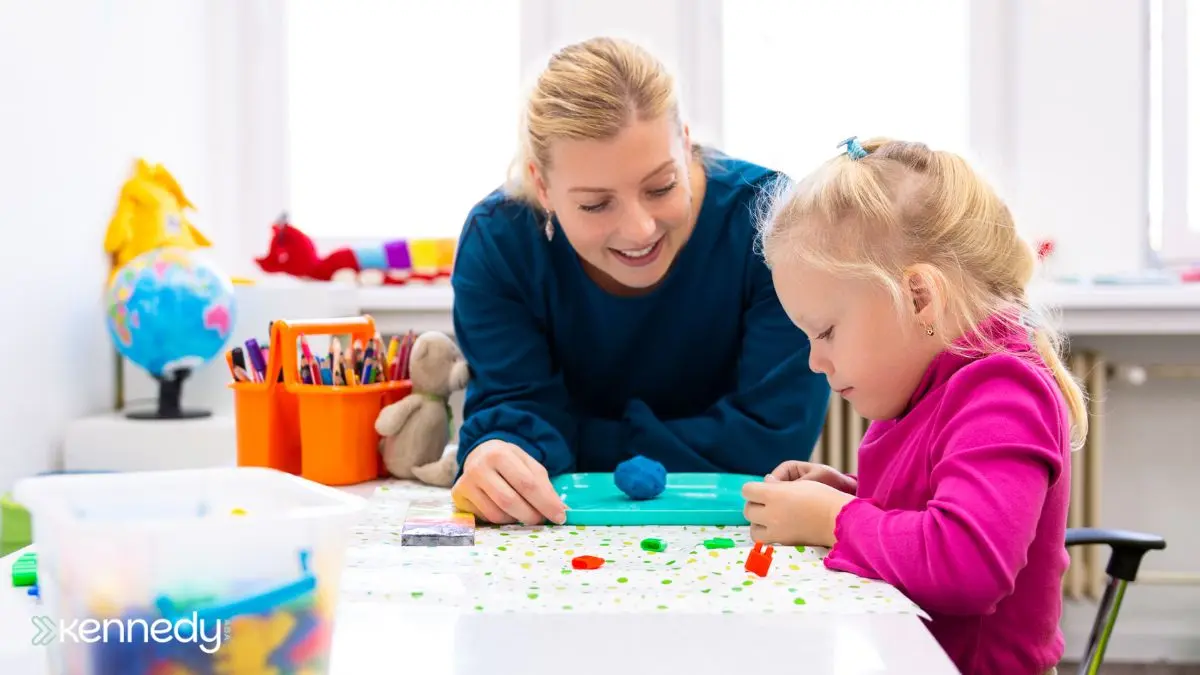
Sensory challenges usually show up in the places your child lives and plays. In-home ABA therapy allows the team to observe those moments in real time rather than in a quiet clinic room.
At home and in the community, therapists can:
- Adjust morning, homework, and bedtime routines
- Support transitions out the door, into stores, or into school
- Practice coping strategies in parks, playgrounds, and stores
In-home ABA therapy can also support a sensory diet autism plan created with an occupational therapist. The ABA team helps weave movement breaks, pressure activities, and calming tools into everyday routines.
Parent Training and Everyday Follow-Through
Parent training support turns session progress into everyday change. When caregivers understand sensory patterns, they can respond earlier and more consistently.
Parent training often covers:
- Early signs of sensory overload
- Environmental changes that lower stress
- Step-by-step plans for responding to overload
- Reinforcement strategies that work at home and school
When everyone responds in similar ways, children get a clearer message about what tools they can use and what support they can expect.
What Parents Can Do Right Now
Support for sensory processing disorder in autism does not have to wait for a full evaluation. Small, consistent steps at home can ease stress for your child and for you.
You can:
- Keep a sensory journal: Track where you are, what is happening, and what your child was doing right before a meltdown or shutdown.
- Adjust the environment: Try softer lighting, noise-reducing headphones, simple clothing, or a quiet corner with favorite items.
- Offer movement breaks: Short breaks for jumping, stretching, swinging, or deep pressure can help reset the nervous system.
- Use visual supports and other ABA strategies at home: Picture schedules, first-then boards, and simple timers help make transitions more predictable.
- Share information with the school: Let teachers know about sensory sensitivities and strategies that help. Many supports can be written into an IEP or 504 plan.
These ideas work best when they connect with guidance from a BCBA and, when needed, an occupational therapist who understands sensory needs.
FAQs About Sensory Processing Disorder in Autism
Is sensory processing disorder related to autism?
Yes, sensory processing disorder is related to autism. In fact, sensory differences are very common in people with autism, and DSM-5 includes sensory hyper- or hypo-reactivity as part of autism criteria. SPD can also occur without autism, so assessment should separate sensory drivers from social-communication needs.
At what age do sensory processing challenges tend to be most noticeable?
Sensory processing challenges tend to be most noticeable in early childhood, especially ages 2–7, because preschool and early school increase noise, transitions, textures, and group demands. Sensory sensitivities often appear before or alongside speech and social differences, and they can persist into later childhood when supports and coping routines are missing.
Can a neurotypical child experience sensory processing difficulties?
Yes, a neurotypical child can experience sensory processing difficulties because sensory challenges occur in children with or without autism, ADHD, or other diagnoses. Sensory patterns like tactile sensitivity, auditory sensitivity, or overload can disrupt daily routines. Sensory difficulties matter most when they interfere with learning, relationships, or independence, regardless of diagnosis.
Get Support For Your Child’s Sensory Needs
Sensory processing disorder in autism can touch every part of daily life, from getting dressed to stepping into a classroom. Once you understand that sensory responses are driven by the nervous system rather than by willful misbehavior, hard moments start to look different. That shift opens the door to practical supports, stronger communication, and more peaceful routines at home.
Kennedy ABA provides in-home and community-based ABA therapy for children with autism across North Carolina, Georgia, and Virginia, with services available in many cities and nearby communities. Our team focuses on real-world behavior change that respects your child’s sensory profile and builds skills your whole family can use.
If sensory overload, meltdowns, or constant sensory-seeking are shaping your days, reach out to us. Our team can help you understand your child’s sensory patterns, design in-home ABA therapy that fits your routines, and coach you through strategies that support both your child and your family.