


Key Highlights:
- In-home ABA therapy in North Carolina helps children practice communication, independence, and smoother transitions during daily routines.
- Meals, dressing, play, and bedtime create real-life chances to use skills.
- BCBAs help families break routines into small, workable steps that children can repeat at home.
The toughest parts of the day usually do not happen during a formal lesson. They show up when breakfast is running late, a shirt feels itchy, play has to end, or bedtime keeps dragging on. That is why home-based ABA therapy works so well within the routines a child already moves through.
Instead of forcing practice into a separate block of time, daily life becomes the place where communication and independence grow. Meals, dressing, transitions, and bedtime all give children steady chances to use skills in the exact spots where they need them most.
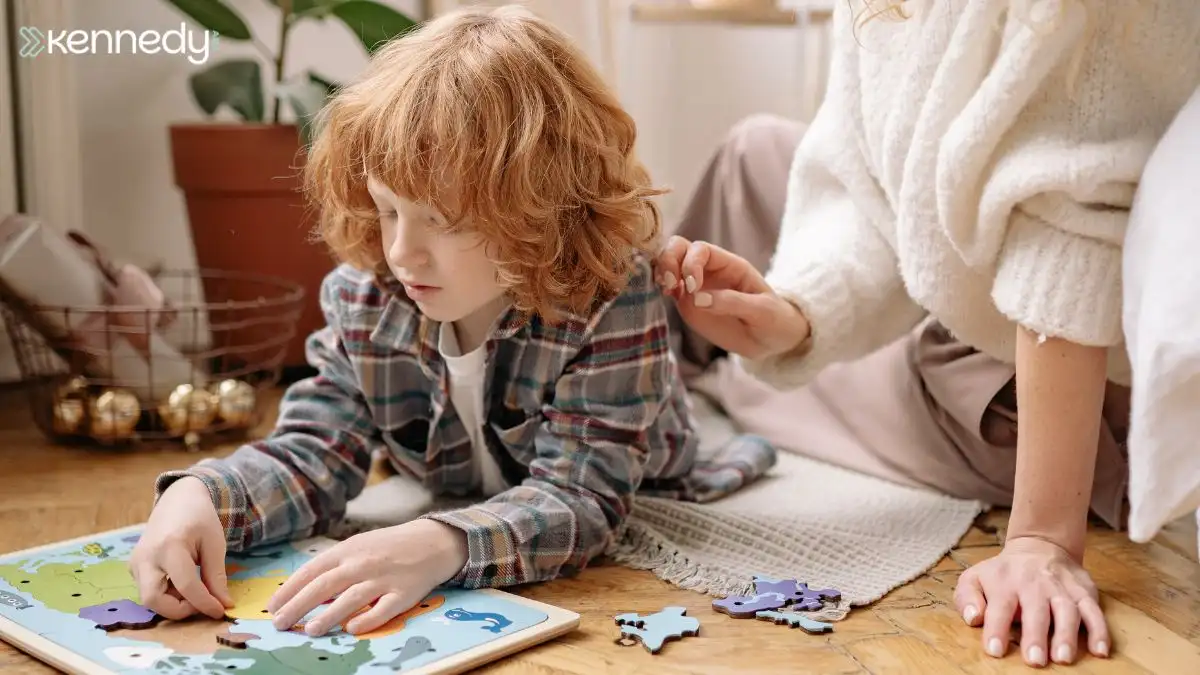
Why In-Home ABA Therapy in North Carolina Fits Daily Routines
Daily routines give children constant chances to practice skills in a place where they already feel comfortable. This approach, often called natural environment teaching, focuses on using real-life moments to learn rather than only practicing at a table.
Recent research shows moderately strong benefits when parents help lead these interventions, helping children use their new skills in many different situations
That might look like asking for juice at lunch or moving from toys to bath time with fewer reminders. The goal is to use normal parts of the day for short, useful practice.
Meals Can Build Communication and Participation
Mealtime is one of the easiest places to build small skills. A child can practice asking for food, choosing between two items, or waiting for a turn. Those moments are short, but they happen often, which gives plenty of chances for daily speech practice.
A BCBA can help break those moments into steps so the routine feels easier. One child might work on pointing to a choice, while another practices sitting for two more minutes.
A few examples may include:
- Asking for food or drink
- Making a choice between two items
- Tolerating a short wait
- Joining the table for longer periods
- Practicing one step of cleanup
Eating concerns can be complex. Since, according to research, about 70.4% of children with autism have unique eating behaviors, the child’s medical team should always be involved if there are safety or growth concerns.
Dressing Routines Can Support Independence One Small Step at a Time
Getting dressed has many parts that can feel overwhelming. A shirt might feel uncomfortable, or the steps might move too fast. A BCBA can break down dressing into smaller steps using task analysis at home, such as pulling up pants or putting dirty clothes in a basket. This step-by-step support makes the task feel less heavy.
Dressing practice may happen during:
- Morning dressing
- Changing after school
- Pajamas before bed
Transitions Can Get Easier When the Same Cues Show Up Every Day
The toughest part of the day is often the move between activities. Leaving the table or heading to the bath can bring stress. Children often do better when consistent home routines use the same cue every time, such as a short countdown or a simple phrase. When everyone uses the same cue, the child starts to understand what comes next.
Helpful supports may include:
- First-Then language
- Visual cues
- Short countdowns
- One clear next step
- Praise for smoother transitions
The point is to make the next step easier to understand rather than adding more talking.
Play Is Where Practice Can Feel Natural
Play is one of the best places for social skills to grow. A child can practice taking turns, asking for help, or copying an action. Using child-led play makes it easier to build interaction around something the child already enjoys.
A BCBA may coach caregivers to pause, wait, model a simple phrase, or create a reason for the child to communicate.
Studies show that families often see better engagement and lower parenting stress when using these routine-based strategies. A short game on the floor gives just enough practice without adding pressure.

Bedtime Routines Can Support Calm, Predictability, and Sleep Habits
Bedtime often goes better when the same short sequence happens in the same order. That may include putting items away, changing into pajamas, brushing teeth, and getting into bed with fewer prompts. The goal here is not a full sleep program. The goal is to make evenings feel more predictable.
A child may first practice one piece of the routine, then two, then more. Small wins count. Getting the pajamas on with less help or moving to the bathroom after one reminder can already be good progress.
Sleep concerns are common among children with autism, so bedtime routines may be especially valuable. One recent review reported that sleep disturbances affect about 40% to 83% of children and adolescents with autism.
How In-Home ABA Therapy in North Carolina Can Support Bedtime Carryover
Carryover at bedtime often means using the same visual, phrase, or sequence after the session ends as part of parent training. That might be a picture cue for brushing teeth, a simple first-then reminder, or one calm prompt repeated the same way each night.
Many children ages 6 to 12 need about 9 to 12 hours of sleep in 24 hours, while teens ages 13 to 18 often need about 8 to 10 hours. Frequent, severe, or ongoing sleep concerns should still be discussed with the child’s physician.

FAQs About Daily Routines in In-Home ABA
What is caregiver carryover in ABA therapy?
Caregiver carryover happens when you use the same tools or methods from a session during your normal daily life. This could mean using the same prompts or visuals during meals, while getting dressed, or at bedtime. It helps children practice their skills with different people in many settings.
How much home practice is common between ABA sessions?
The amount of home practice varies, usually ranging from 30 minutes a day to 20 hours a week based on specific goals. Most families find it easier to stick with short practice sessions built into their usual routines, as these feel more natural and are easier to maintain consistently.
Can siblings be part of in-home ABA practice?
Siblings can definitely join in when the goals involve social interaction. Playing together is a great way to work on waiting, taking turns, and basic communication. A BCBA can help determine when involving a sibling makes sense for a child’s progress and the family’s schedule.
Bring Practice Into the Moments You Already Have
Daily routines can be useful for building communication, participation, independence, and smoother transitions. The value comes from practicing skills where your child already eats, plays, gets dressed, and winds down for bed.
At Kennedy ABA, we provide in-home ABA and parent training for families across North Carolina, Georgia, and Virginia. We help you set goals around the routines your child already goes through each day, so practice can feel more connected to real life.
Reach out to see if our team can help your family in one of our NC service areas.