Key Highlights:
- Community-based ABA therapy helps children practice skills in real places like stores, parks, and school events.
- This supports greetings, waiting, safety, and smoother transitions outside the home.
- Real-world practice helps skills carry over across people, settings, and routines in daily life.
A skill can look solid at home, then fall apart the second the setting changes. Community-based ABA therapy can help with that, especially for families in North Carolina who want daily routines to feel less stressful.
A child may greet a parent or follow a direction in the living room, but a trip to the store is different. New sounds, faces, and bright lights can pile up at once. It is frustrating when progress is clear at home but hard to use in public. Real-world practice gives children a chance to work on skills exactly where they need them most.
What Community-Based ABA Therapy Looks Like in Real Life
Community-based ABA therapy is part of ABA therapy services that help children practice skills in the places where daily life happens. The goal is simple: help a child use a skill outside the house, not just during a structured session.
That practice may happen in places like:
- A grocery store
- A park
- A playground
- A school event
- A sidewalk
- A waiting room
Daily-life goals often include:
- Greeting other people
- Waiting for a turn
- Following safety rules
- Asking for help
- Handling small changes
- Moving from one activity to the next
The focus is on using real practice in real places, where distractions and surprises can make a skill harder to use.
Why Skills Can Break Down Outside The Home
A child may say “hi” at home every time, then freeze when a cashier says it first. Waiting on the couch feels fine, but waiting in a checkout line is much harder.
Generalization, or using a learned skill with new people and in new routines, is a challenge. Because skills do not always carry over naturally across every setting, practicing outside the first learning environment is vital. Real-world practice helps a child use a response with:
- New people
- New sounds
- New expectations
- New routines
That kind of transfer can make a skill more useful in daily life, not just in one familiar place.
Which Everyday Skills Often Need Practice In Public Settings
Community-Based ABA Therapy During Greetings, Waiting, And Transitions
Public routines move fast. A child may need to say hello, wait a moment, or move from the car to the store without pulling away. Even short delays like “not yet” feel harder outside the home without transition support.
Useful practice in community-based ABA therapy may include:
- Saying hello to familiar adults
- Waiting in line
- Moving from one place to another
- Accepting a short delay
- Using a visual or verbal cue before a change
Small supports can help here. A short reminder, a visual schedule, or a simple first-then cue may make a transition feel clearer and less sudden.
Shopping Trips, Playground Routines, And School Events
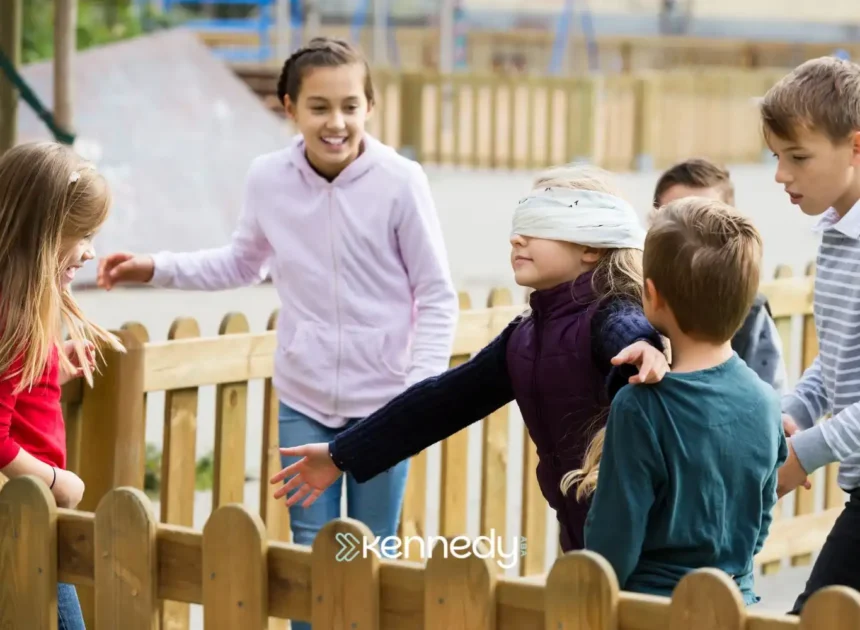
Public routines can bring a lot at once, so parent training can help caregivers stay more consistent. A child may need to stay near an adult, walk beside a caregiver, take turns on playground equipment, or join a short group activity. Noise, crowds, and quick schedule changes can also make regulation harder.
Practice in public settings may focus on:
- Staying close to a caregiver
- Walking beside an adult
- Taking turns
- Joining a short activity
- Asking for a break
- Asking for help instead of dropping to the floor or running off
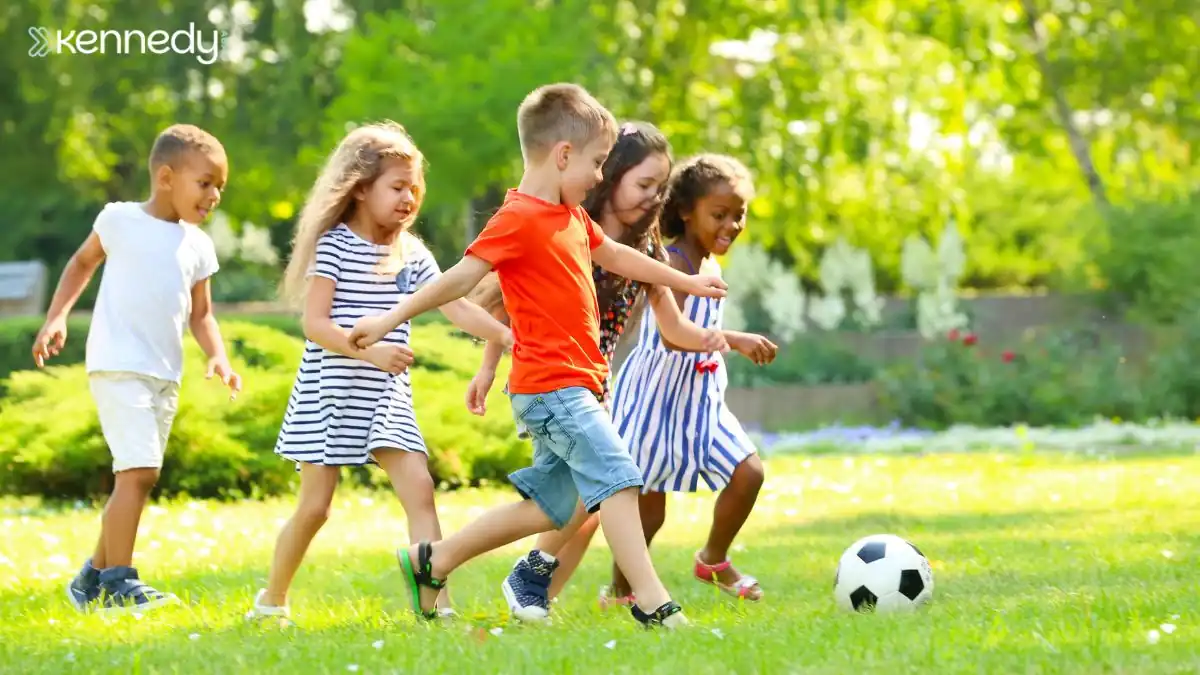
These community outings can support community integration because the skill gets practiced where it needs to happen. For some children, social skills community work is easier to build when the setting is real instead of pretend.
Safety Has To Be Part Of The Plan
Safety has to stay near the center of this work. Public places can bring fast-moving risks and challenging behaviors that may not show up the same way at home. A parking lot, curb, crowd, or open doorway can change the picture quickly.
Safety goals may include:
- Staying close to an adult
- Stopping at curbs
- Holding hands when needed
- Responding to a name
- Following a simple safety direction
Statistics show that about one in four children with autism wander from supervision each year. This is why planned safety work in public is so important. Short, planned practice sessions usually work better than long, stressful outings.
Why North Carolina Families Keep Looking For Real-World Support
Autism support needs are common, and daily life happens everywhere. In fact, about 1 in 31 children aged 8 has been identified with autism spectrum disorder.
In North Carolina, the Infant-Toddler Program provides services in natural environments, such as parks and daycares, through 16 agencies across the state. This local focus helps explain why families in North Carolina seek community-based ABA therapy and school-based support to help children use skills across all routines.
Local Resources Can Support Practice Beyond Sessions
Several local resources help families look beyond the clinic:
- North Carolina Medicaid can include teaching community skills like shopping and banking for eligible beneficiaries.
- The Autism Society of North Carolina offers statewide advocacy and training.
- The Carolina Institute for Developmental Disabilities provides services in all 100 counties.
FAQs About Community-Based ABA Therapy
Is community-based ABA therapy the same as a social skills group?
No. Community-based ABA therapy is one-on-one practice in real places like stores, parks, or school events. A social skills group usually focuses on peer interaction in a small group. While some children use both, the goals and level of support are usually different for each.
Does insurance cover community-based ABA therapy in North Carolina?
Coverage depends on the specific plan and medical needs. North Carolina Medicaid covers research-based behavioral health treatment for autism, and the state also lists home- and community-based supports for certain members. It is still important to check specific plan benefits to see which settings and services are authorized.
How do parents know if a child is ready for community-based ABA therapy?
Readiness for community-based ABA is not about a specific age. It usually depends on a child’s goals, safety needs, communication, and how they handle short, planned outings with support. Many clinicians start with small steps and build up as a child shows they are ready for more.
Bring Practice Into Everyday Life
Skills can look very different once a child leaves the house. Real-life practice can help turn a response learned in one place into something more useful across places, people, and routines.
At Kennedy ABA, we work with families across North Carolina, Georgia, and Virginia, and offer ABA services at home, in school, and in the community. Our team can help children build daily skills tied to safety, outings, transitions, and social interaction in ways that fit real life.
A conversation with our team can help you sort through your child’s goals and see whether community-based support may be a good fit. Reach out to ask questions and talk through the next step.